
What is GT3?
Everything you need to understand GT3 racing — from the basics to the business side of motorsport.
GT3 is built around homologated cars from more than 20 manufacturers, Ferrari (296 GT3), Porsche (911 GT3 R), Lamborghini (Huracán GT3 EVO2), Mercedes-AMG (GT3), BMW (M4 GT3), and others, kept competitive against each other through Balance of Performance. See the full GT3 manufacturers list, browse GT3 championships, or explore GT3 teams. New to a specific series? Read our guide to how GT World Challenge Europe works.

GT3 Racing Explained: Cars, History, and How It Works
What is GT3? Learn the cars, the history, the Balance of Performance, and who gets to compete — from factory works drivers to wealthy amateur racers. Start here.

GT3 Racing Rules Explained: BoP, Tech Regs, and Strategy
The mechanics that govern GT3 racing — Balance of Performance, technical regulations, safety car rules, mandatory driver changes, and fuel and tyre strategy explained.

GT3 Sprint vs Endurance Racing: What's the Difference?
GT3 races in two formats: 60 to 90-minute sprints and endurance classics up to 24 hours. Here's how strategy, driver requirements, and the spectacle differ between them.
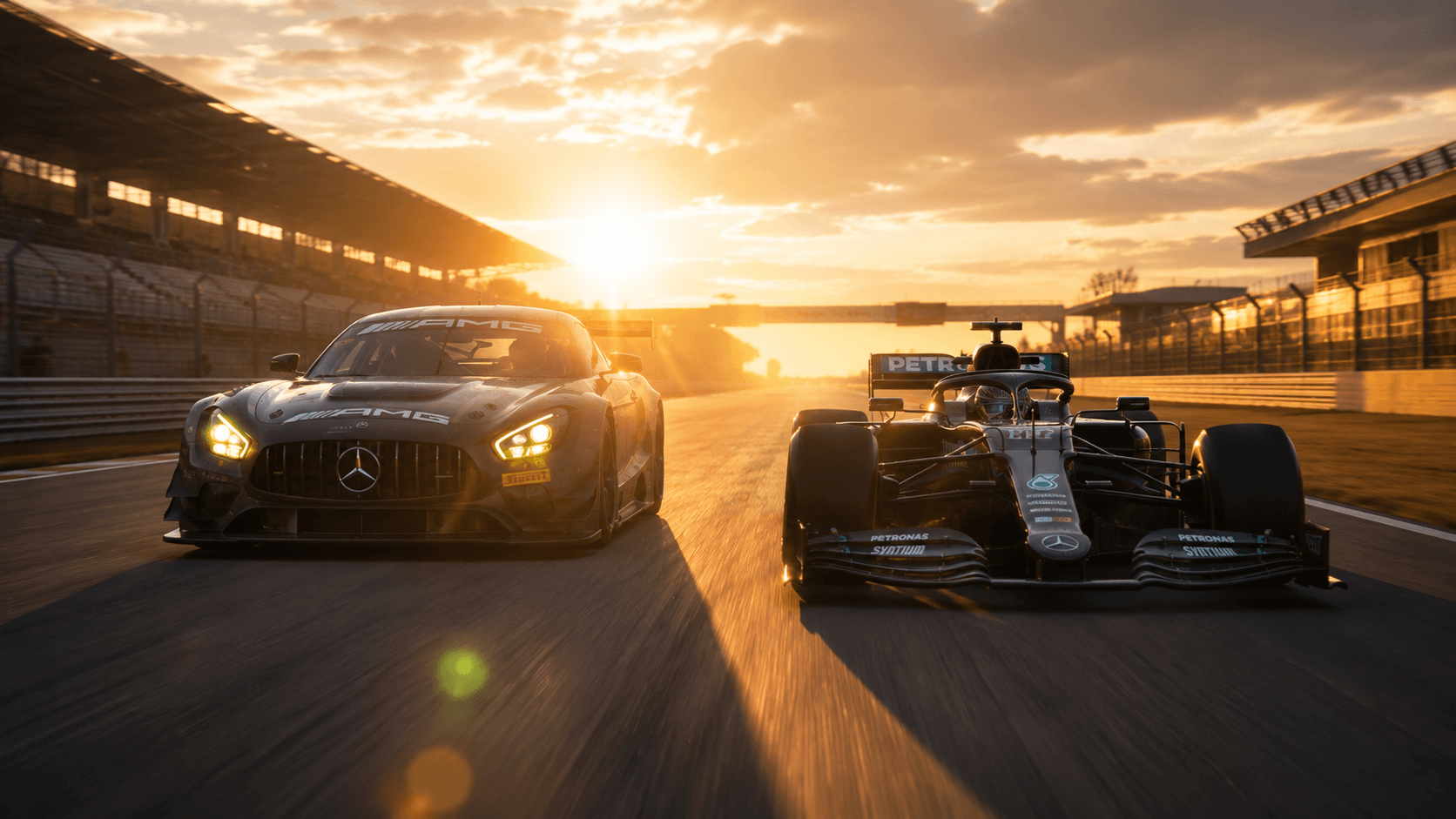
How GT3 Compares to Formula 1: Cost, Cars, and Accessibility
GT3 and Formula 1 operate in very different worlds. Here's how they compare on car technology, the cost to compete, driver accessibility, and broadcast coverage.

GT3 vs Hypercar: How These Two Classes Fit Together
LMDh, Le Mans Hypercar, and GT3: how these classes sit in the endurance hierarchy, how they compare technically, and what happens when they share the same circuit.
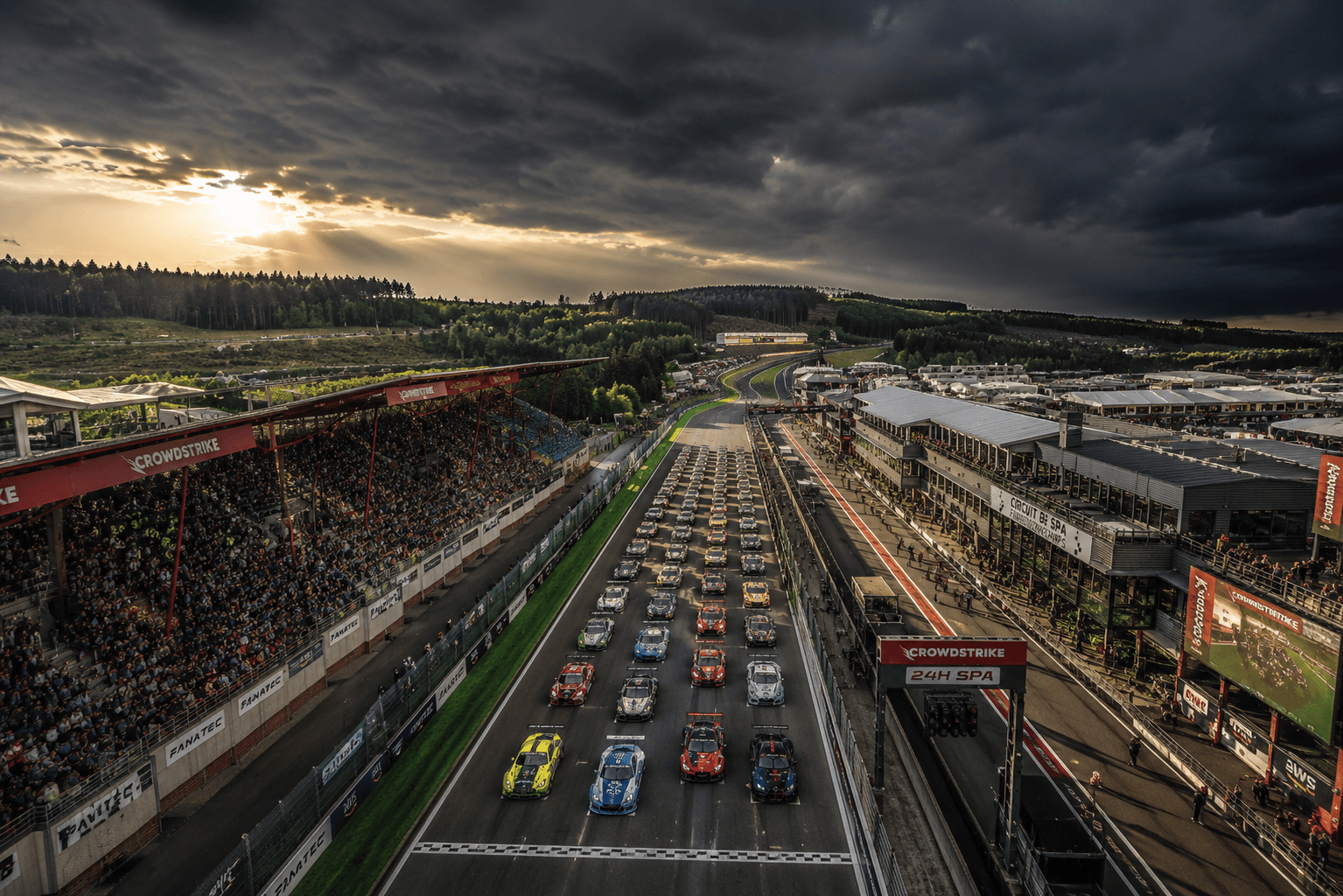
Why GT3 Is the World's Most Popular Racing Category
GT3 is the most widely-run racing class in the world. Here's why: cost controls, manufacturer rivalry, a global calendar, and pathways open to amateur drivers.

The Economics of Running a GT3 Team: Budgets and Revenue
Running a GT3 team costs millions per season. Here's how the economics work — factory support, driver fees, sponsorship deals, and prize money from race wins.

How Sponsorship Works in GT3 Racing: Deals and Value
Sponsorship in GT3 is more than a logo on a car. Here's how deals are structured, what packages teams offer, and what brands actually get from a GT3 programme.